The Typical Hunting-gathering Soceities Are Best Described as
7 Limited division of labor. Hunter-gatherer culture is a type of subsistence lifestyle that relies on hunting and fishing animals and foraging for wild vegetation and other nutrients like honey for food.

Hunter Gatherers History
Use specially organized task groups to exploit specific resources often in bulk and bringing them back to the settlement.

. The discovery of the techniques of planting sometime between 10000 and 12000 years ago humans survived primarily by hunting wild animals and gathering wild vegetation. Young learn through observation and imitation and sometimes undergo initiation ceremonies stress on independence. Because hunting-and-gathering societies have few.
Animal predators overpowered human hunters. Basically 2 jobs to hunt and to gather. Foraging anthropological definition a subsistence strategy that includes seasonal rounds moving between camps with no permanent homes.
One of their most important findings is that hunting-and-gathering societies are fairly egalitarian. Two most important values in hunting gathering societies. Hunting and gathering is one of the subdivisions of the preindustrial society.
Hunting and gathering way of life was not broken until some 10000 years ago when some societies began to subsist by. Hunter gather leisure and art. The major types of societies historically have been hunting-and-gathering horticultural pastoral agricultural industrial and postindustrial.
A social network of people based on common ancestry marriage or adoption. As societies developed and grew larger they became more unequal in terms of gender and wealth and also more competitive and even warlike with other societies. They move for severalreasons.
Promotes peaceful movements and greater food security. Religion and health oriented What are some governance features. Usually best hunter political and military decisions 2.
1 Limited subsistence technology. Hunting and gathering society. Spend most time hunting and gathering food feast or famine 3 Limited food supply.
Model of limited development of hunter gathering societies. Although men do most of the hunting and women most of the gathering perhaps reflecting the biological differences between the sexes discussed earlier women and men in these societies are roughly equal. 1 search new food supplies2 moved to eat a large kill 3 seasonal changes and 4 conflict within thegroup 112.
Music dance story telling games. Stone and wood were the predominant raw materials for the making of tools and weapons. Hunter-gatherers move around constantly in search of food.
Some part-time specialization- shaman and headman political and military decisions YOU MIGHT ALSO LIKE. They were conquered by Eurasian empires. Everyone except young and elderly gather food.
- headman provides minimal leadership no obligation to obey - informal means of conflict resolution consensus - little. Anthropologists have discovered evidence for the practice of hunter-gatherer culture by modern humans Homo. Difficult to store food rots easily.
They travel too much. 1st order characteristics of nomadism low productivity limited store of information lead to second order characteristics of limited. About 40 or 50 people.
Group that supports itself by hunting and fishing and by gathering wild fruits and vegetables. Between 10000 and 12000 years ago horticultural societies. Societies that rely primarily or exclusively on hunting wild animals fishing and gathering wild fruits berries nuts and vegetables to support their diet.
To wander about in search of food. As a result they do not build permanent villages or create a wide. Until humans began to domesticate plants and animals about ten thousand years.
Belief that objects such as plants and stones or natural events like thunderstorms and earthquakes have a spirit and conscious life. Definitions of hunting and gathering society. Belief system common among hunter gatherers.
The main form of food production in hunting and gathering societies is the daily collection of wild plants and the hunting of wild animals. In HG societies social organization ie the structure of obligations and responsibilities between people is usually based on_____ gender. The number of hunting and gathering societies decreased because.
People learned how to grow crops and domesticate animals. Until approximately 12000 years ago all humans practiced hunting-gathering. Modern hunting and gathering societiesare usually nomadic and an inevitable result of their subsistencetechnology.
Bulk of food comes from gathering. Only an average of about 12 to 19 hours per week in food-getting activities and thus they have a great deal of time. Quizlet flashcards activities and games help you improve your grades.
Hunting and Gathering study guide by bethany_laffan includes 17 questions covering vocabulary terms and more. Horticultural fishing and pastoral societies.

Hunter Gatherer Culture National Geographic Society
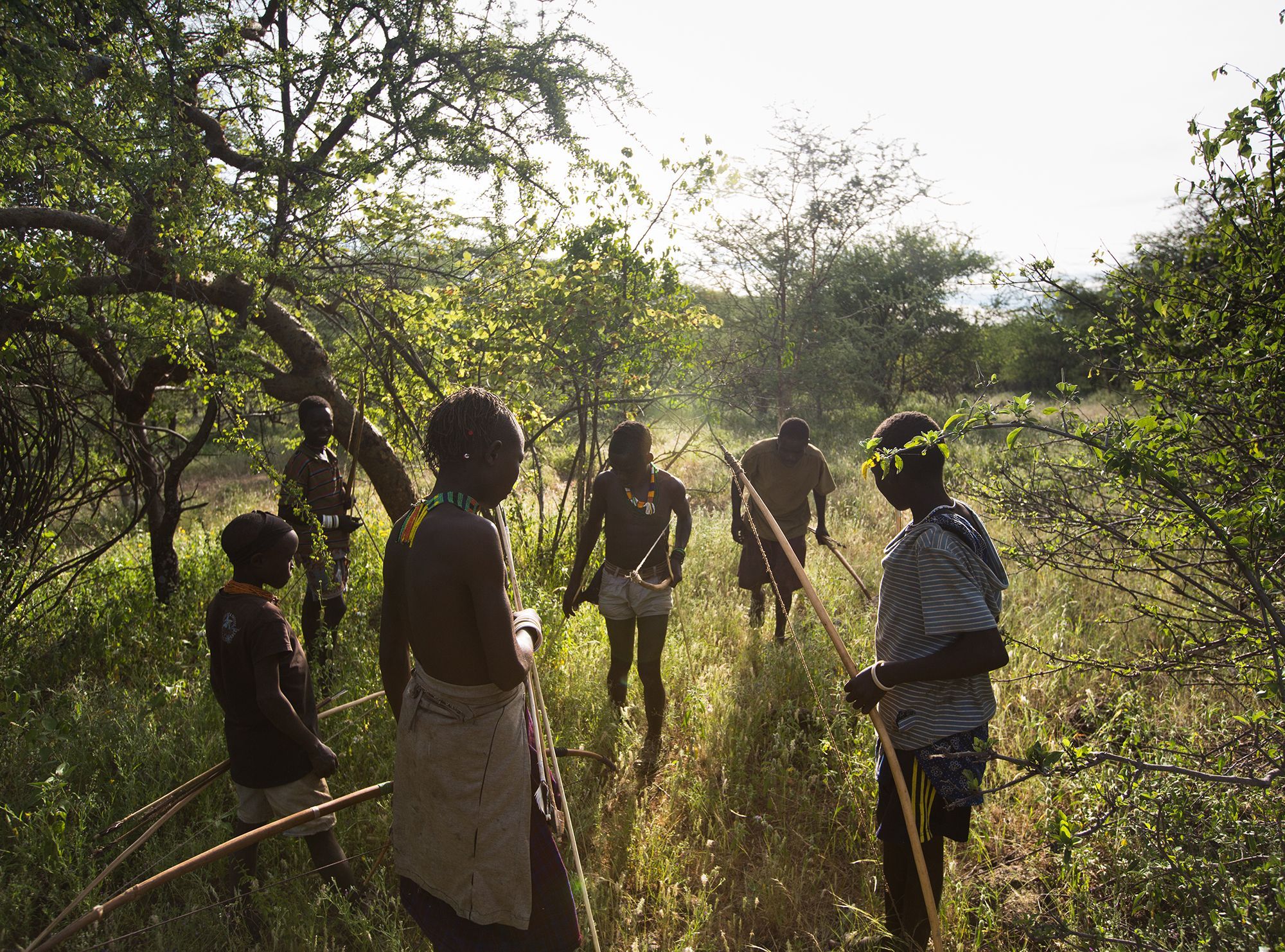
Hunter Gatherer Culture National Geographic Society
Making A Living Getting Food Subsistence Derived From A Combination Of Gathering And Hunting Foraging Economies Still Survive Because Their Environment Ppt Download
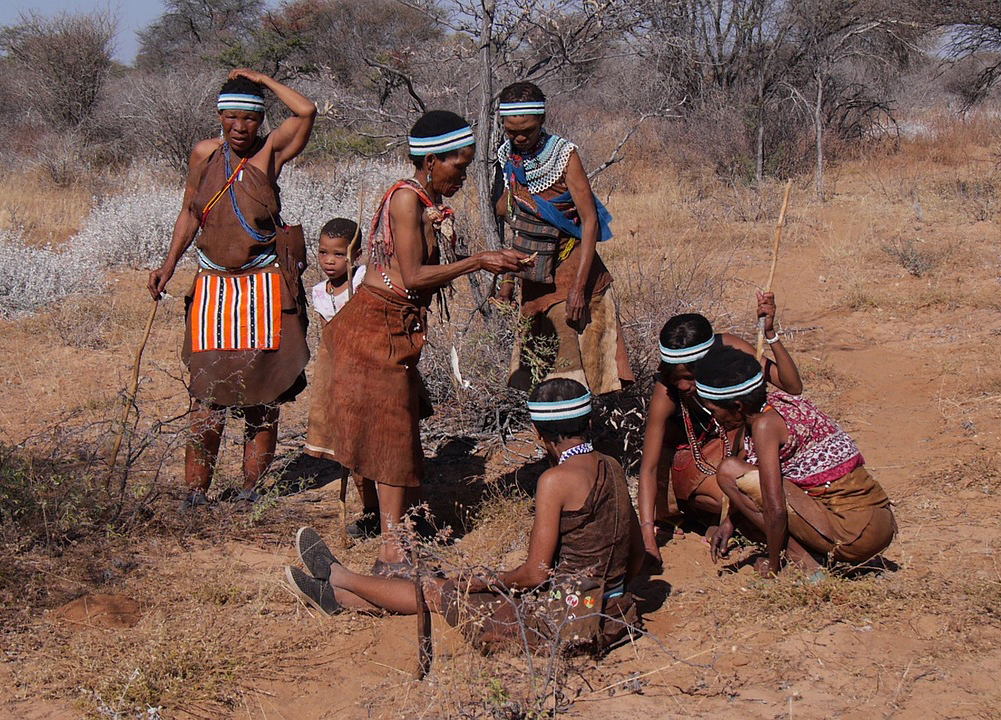
Hunter Gatherers Explaining Human Culture Human Relations Area Files


Comments
Post a Comment